
Slip resistance you can measure.
Slip resistance is measurable, and it's a duty under health and safety law. We apply anti-slip treatments and coatings to floors, stairs, ramps, and wet areas, and we carry out slip testing to confirm surfaces meet the required standard. Testing gives you a number and a record — useful for compliance, for insurers, and for knowing a surface actually performs, rather than assuming it does.
We have you covered
Commercial & public buildings
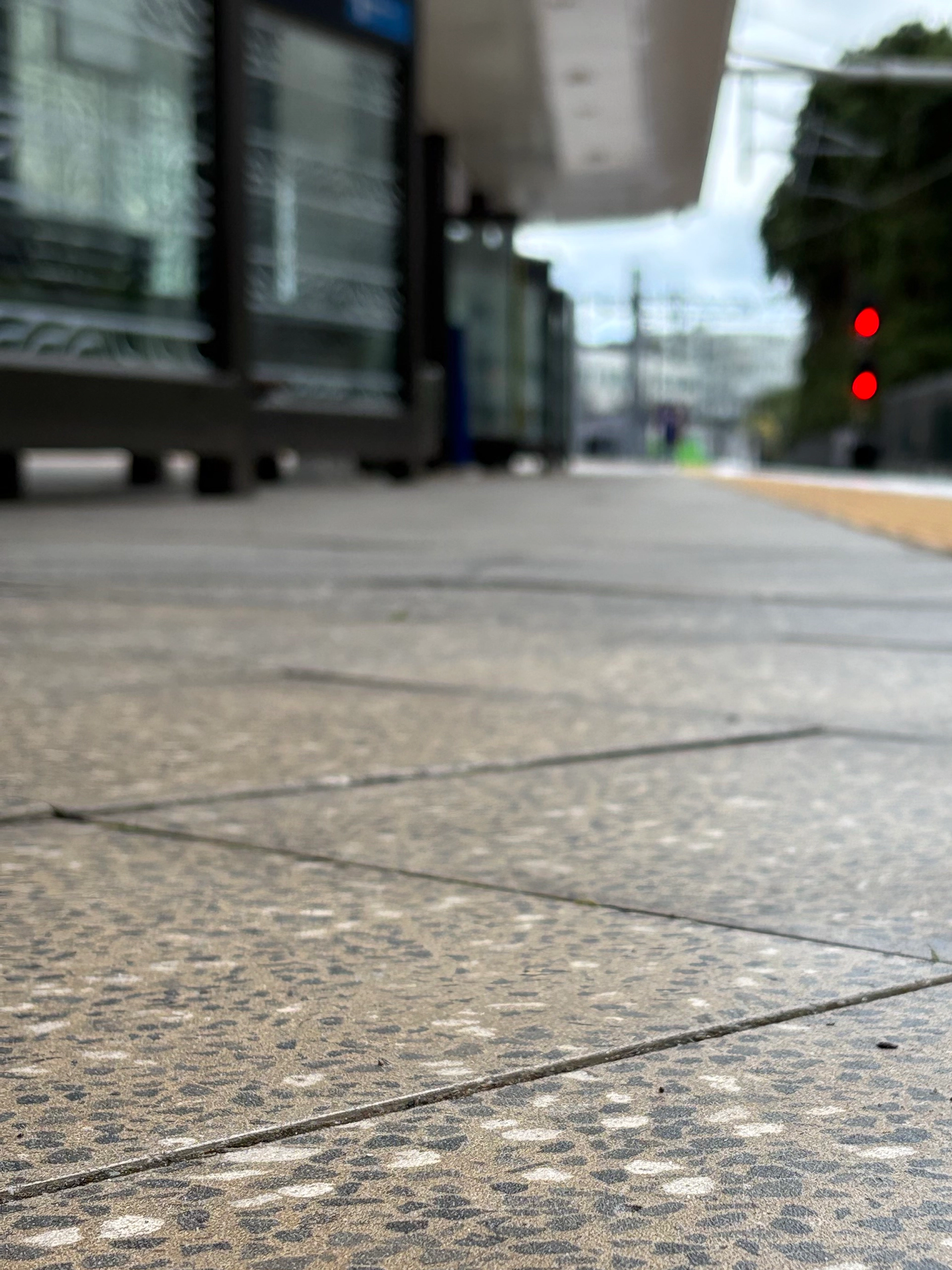
Entrances, lobbies, and walkways where foot traffic and wet weather meet.
Food & beverage
Kitchens, prep areas, and wash-down zones where floors are wet and greasy by nature.
Wet areas & aquatics
Bathrooms, changing rooms, and poolside surfaces that are wet by design.
Stairs & ramps
Steps, ramps, and level changes where a slip becomes a fall.
External & civil
Paths, loading areas, and ramps exposed to rain, frost, and algae.
Industrial & plant
Work floors, gantries, and access routes exposed to oil, water, and spills.
The main types of anti-slip system

Anti-slip coating
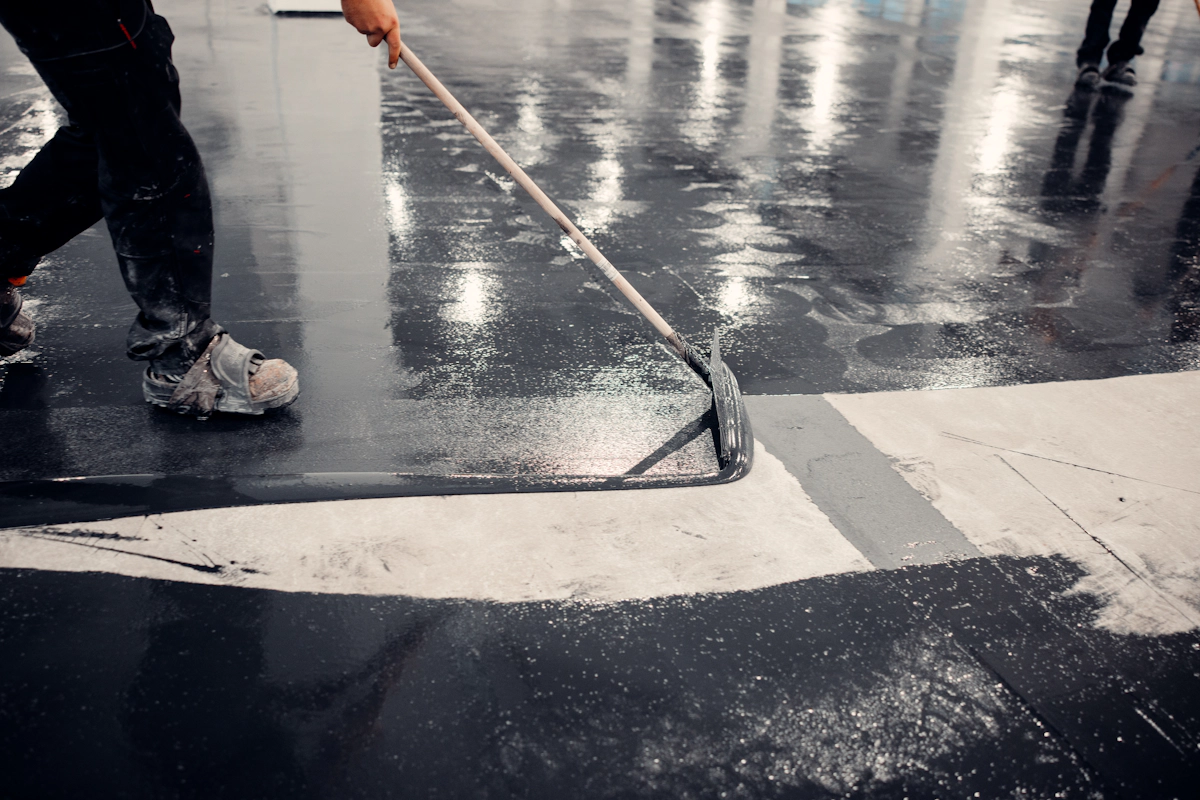
A liquid coating is applied over the surface and cured. Transparent coatings hold the look of the substrate underneath, which suits timber, tile and stone where appearance matters. The slip rating is set by the coating system and, in many cases, by a fine aggregate carried in it.
Aggregate or broadcast systems
A grit or particle is broadcast into a resin or coating to create a textured, higher-grip finish. These reach the upper slip ratings and suit ramps, loading areas and industrial floors where grip outranks finish
Etch and chemical treatments
Used mainly on tile and stone, these micro-profile the surface to raise wet grip without changing how it looks. They work on hard, dense surfaces rather than porous or timber ones.
Tapes, inserts and mechanical fixings
Adhesive strips, stair nosings and inlays add grip to specific spots (stair edges, single steps, thresholds) rather than a whole area. Useful as a targeted fix, less so as a system across a large surface.

Tiles, ceramics and stone
Tiles, ceramics and stone are both dense and stable surfaces. They take on coatings or etch treatments effectively.

Concrete
Concrete is porous and absorbent, so it usually needs a primer and a bit more product to seal and grip evenly.

Timber
Timber, including softwoods like pine, is absorbent and moves with moisture. It can be coated, but it takes more primer so the finished grip is worth confirming on the actual timber used.

Metal and glass
Metal and glass need a compatible system and thorough prep to bond, as there's nothing porous for a coating to key into.
Over 10,000m2 covered in the last 12 months

Albany Toyota · Maca Holdings · Slique
AUT Millennium · Slique · Boutique Body Corporate
Slique
Smales Farm · Dimension Shopfit
Sir Builders
Residential properties
Tile Deals
Henderson Train Station
Residential properties
Residential properties
Vero, Shortland & Sofitel · Total Property Services · Britomart Station · NZ Hotel 396 Queen · Cartier · AUT City Campus · Second Nature
Residential properties
Newmarket Train Station · Scarborough Group · Sweat Yoga
Building managers
Fujifilm · Citta
Diocesan School · National Heart Foundation
Euroclass
Residential properties
St Johns Library
Coca-Cola
Paramount
Residential properties
Hoyts
Kings College
Auckland Council · Mangere Town Centre · Motorcorp Distributors
Residential properties
Why on-site testing is worth it
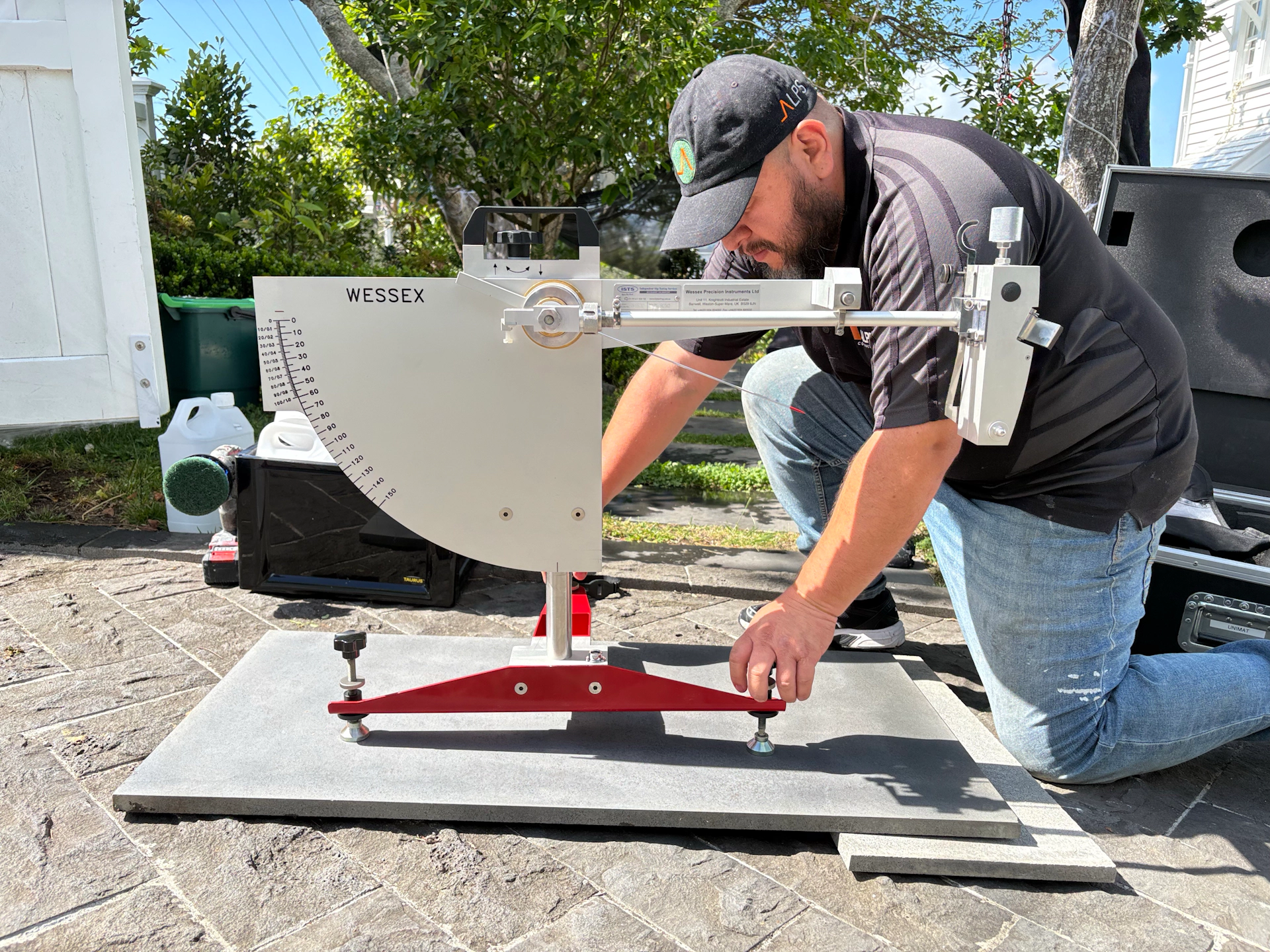
Published figures are a starting point, not a guarantee. Real grip depends on the substrate, the prep, the application and the conditions on the day. For anything where the rating has to hold up — a public building, a school, a commercial site — the reliable move is to apply the system to a sample of the actual surface and run a wet pendulum test on it before committing to the full job. That gives a documented result tied to the real material, which is exactly what a specifier, council or building owner wants on file. It also removes the guesswork of assuming a lab figure will carry across to a different substrate.
Maintenance and longevity
An anti-slip finish is not set-and-forget. Grip can drop over time as dirt, grease and residue fill the surface texture, so regular cleaning with the right method keeps the rating where it should be. How long a system lasts depends on traffic, exposure and how well it's looked after. High-traffic and outdoor areas will want checking more often than a quiet interior floor.
Best approach
Best approach is to match the slip rating to the exposure of each area, match the system to the substrate, and confirm the result by testing before the full job goes ahead. For anything that has to meet a code or satisfy a specifier, testing on the real surface is what turns a claim into evidence. If you're not sure which rating an area needs, or whether a particular surface can be treated, it's worth getting advice before work is scoped. Getting the rating and the substrate right at the start is far cheaper than reworking a floor that doesn't grip once it's down.

Get your project quoted now.
Our range of services

Protective & decorative coatings
Protective and decorative coatings for concrete, steel, and masonry - from corrosion protection to finished surfaces you want people to see.
Waterproofing systems
Waterproofing for terraces, decks, wet areas, flat roofs, and below-ground structures - membranes suited to the exposure.

Slip Resistance and Compliance
Anti-slip surfaces and independent slip-resistance testing — measured against NZ standards, not guessed.

Concrete repair & protection
Repairing and protecting concrete - cracks, spalling, and surface damage put right, then sealed against what caused it.
Commercial
We work with construction teams, architects, specifiers and property owners on technically demanding projects. Waterproofing systems, protective coatings, anti- slip treatments on new surfaces - specified, applied, and documented.
Residential
Whether the work ends up on show or behind a wall, the standard doesn't change. High-impact areas get the attention they deserve. How it looks when we're done is part of how we think on every job - not something you need to ask for.
Articles

New Eden Terrace Home & Brand Refresh | Alps Group
Alps Group marks five years with a restored heritage home in Eden Terrace, a brand refresh and a new website - shared with El Contractor and artist Amanda Gruenwald. Together, the changes reflect how far the we've grown, and where we're heading.
How anti-slip systems work and how to choose one
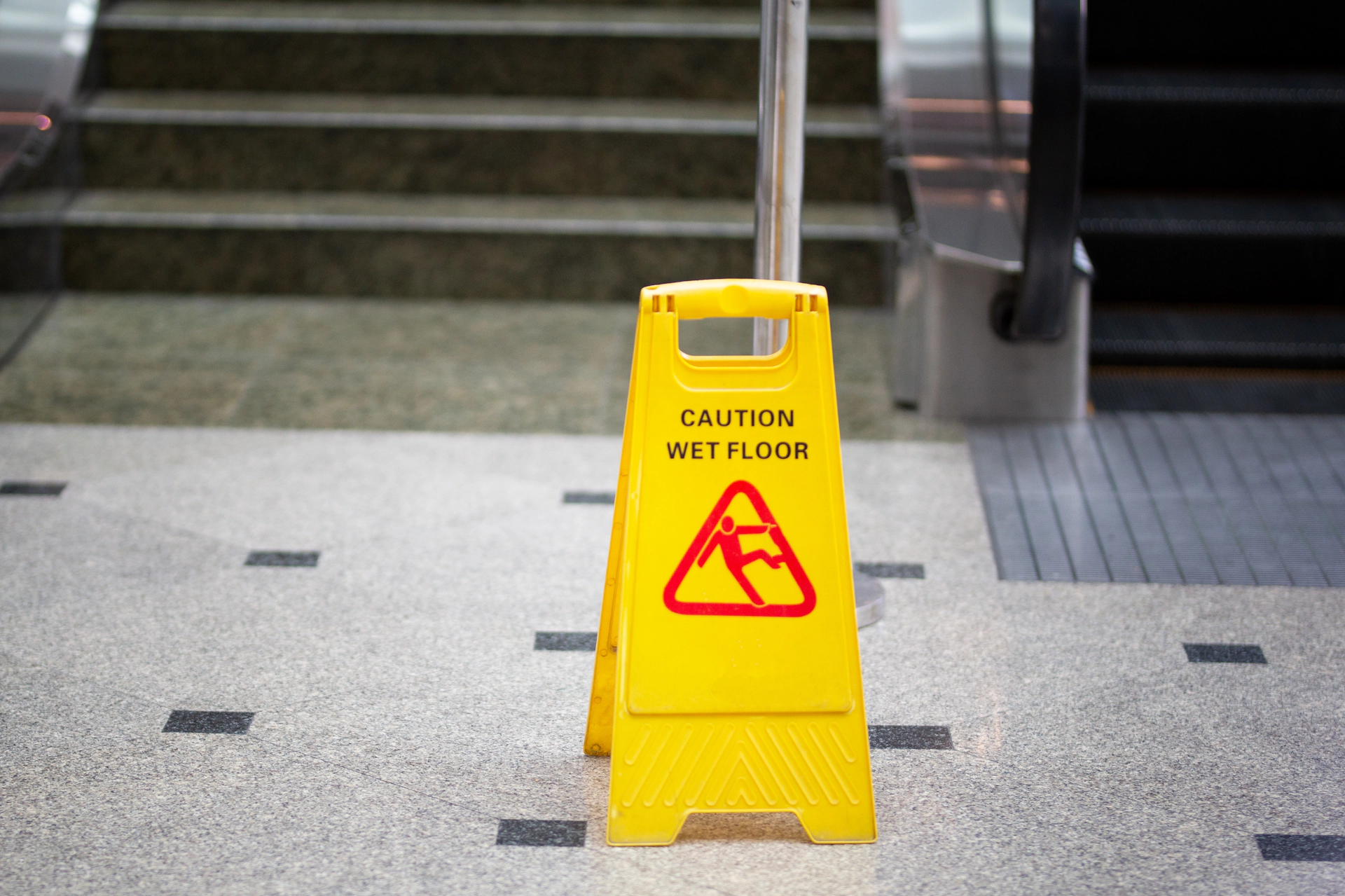
Slips are one of the more common causes of injury on pedestrian surfaces and one of the most preventable.
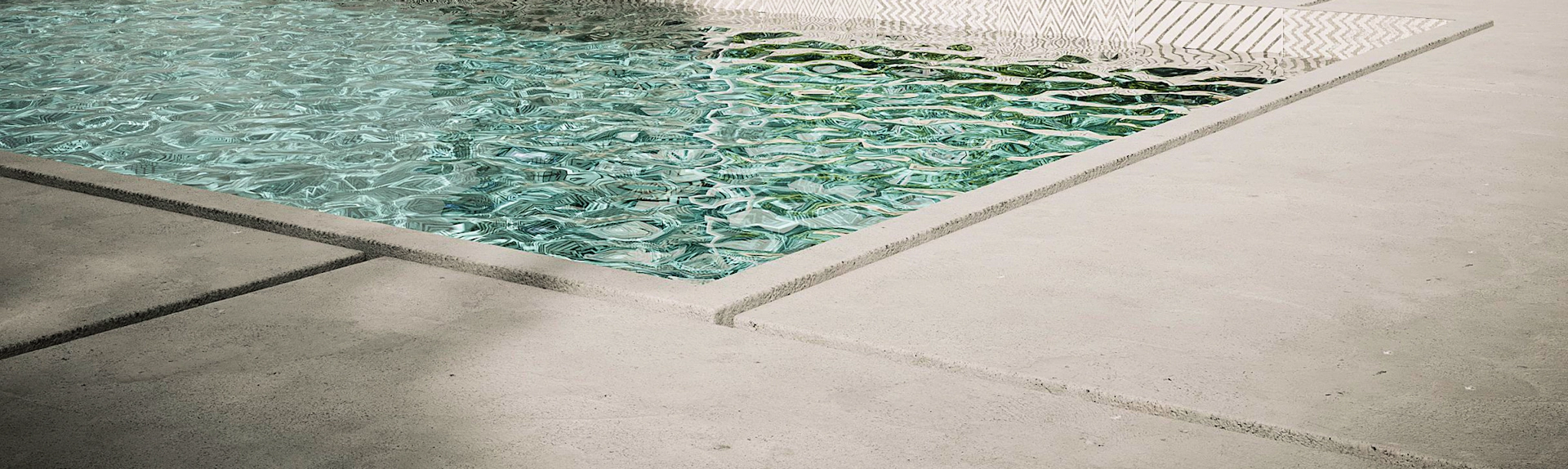
Get your pool ready before summer
Whether it's a backyard pool that's looking tired or a public pool that has to pass inspection before it reopens, we'll restore the surface, protect the structure, and provide lasting solution.